
CLAYMORE, MORE, MORE
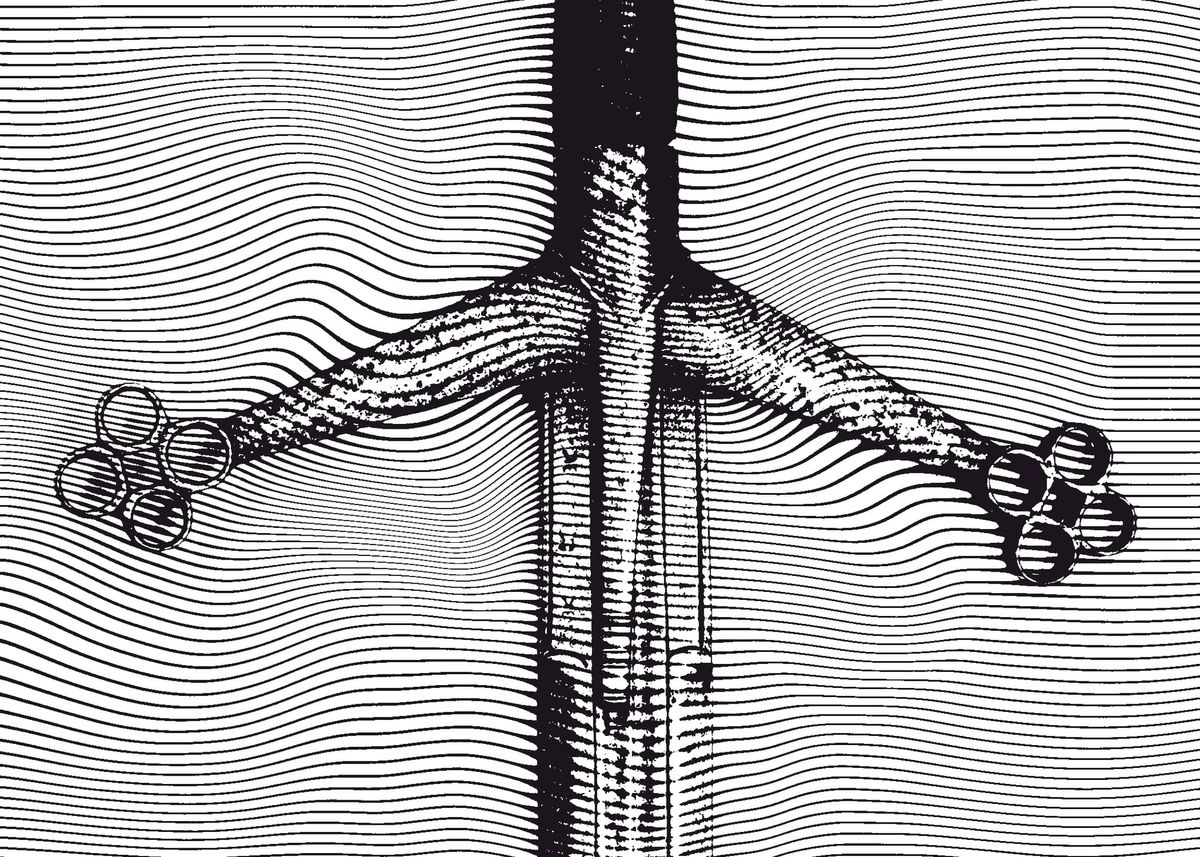
Most of the people who read this newsletter probably know me a bit, and will go through absolutely 0.0 seconds of surprise learning that I am a Sword Guy. It’s hard to find a nerd of any discipline who isn’t. Cool swords are a bedrock part of being a bit of a loser. A signature item, never coming off the menu, the McNugget of the four-eyed man’s interests.
Probably because a young geek is bound to get there, whether through fantasy or history. Immediately, a bond is formed between them and the tool that allows them to neatly cleave their bullies in twain in their daydreams and margin doodles. Not that I think swords need much explaining. For me, someone seeing a picture of a cool sword and saying “not for me” is just a confusion on the basis of hard-wired human emotion, like when someone “isn’t a fan” of Popeyes chicken.
As an interest in swords sprouts, and exploration into their variety begins, there’s an immediate, shamefully male sprint to the largest swords possible. Such unadulterated phallic worship that even describing it as phallic feels unnecessarily complicated. In your head, you can’t help but see the pitiful shortsword wielder as being laughed at by the broadsword and longswords of the world, probably in a public shower.
This journey into the armories of history has an inevitable endpoint. Well, at least when excluding a secondary path, those who get sucked irretrievably into Japan worship via the gateway drug that is the katana. A subset of sword guy and whole other mess I don’t have the time to touch on. Something you truly want to avoid, because I promise you, the quiet kid reading Lord of the Rings is still leagues ahead of the one bowing to his English teacher. If, by the grace of god, you avoid the white boy kimono quicksand? You’ll inevitably end up staring down the Scottish claymore.
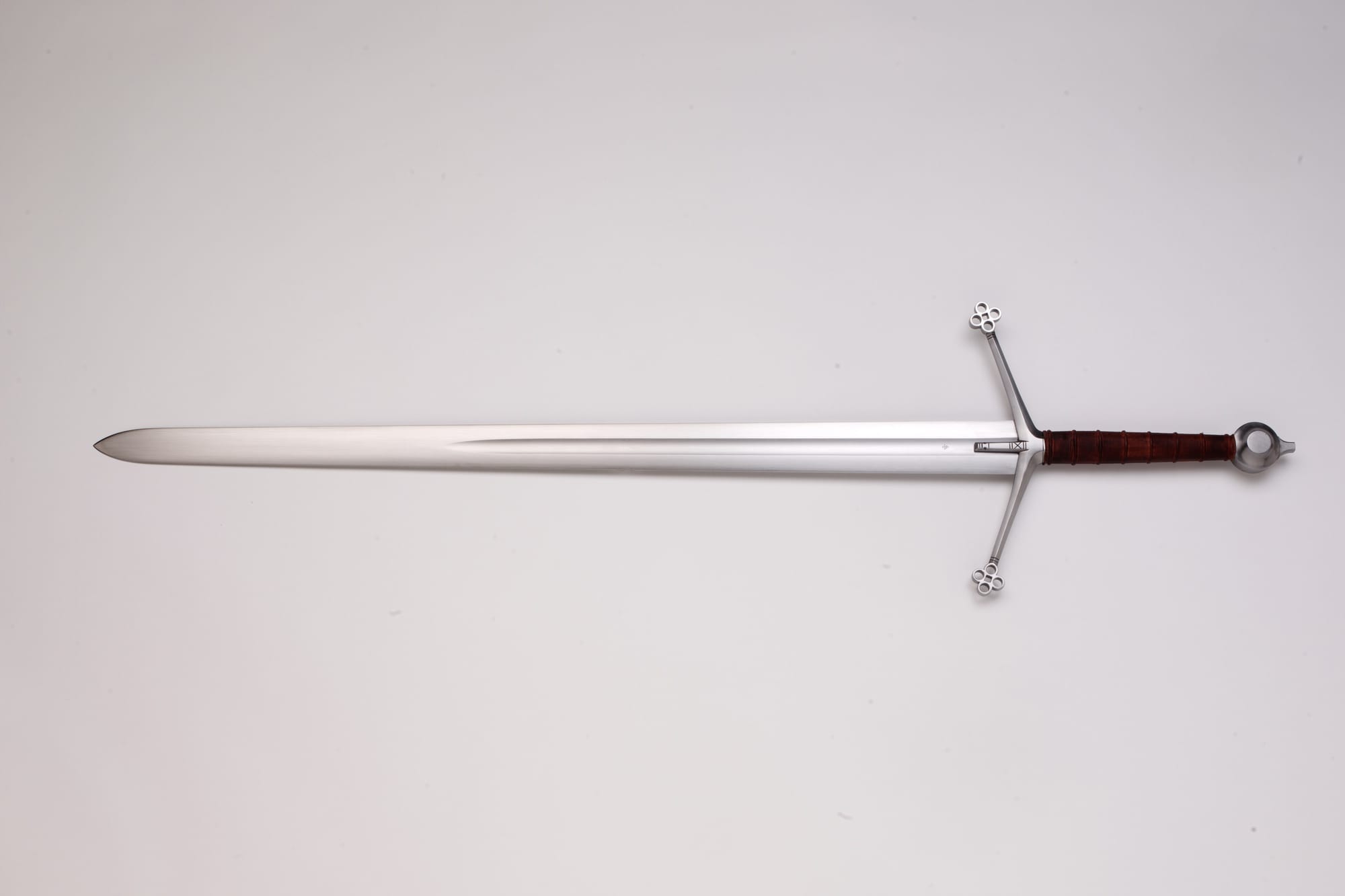
The claymore is a sword so large that it starts to bleed into fantasy. The sword of someone waiting behind a wave of grunts, who won’t begrudgingly rise from their seat and take to the sand until you’ve deemed yourself worthy. A testament to the human spirit that even in the past, when blacksmiths might have mentioned to a warrior, “don’t you want to be able to, like, move around?” That warrior still had the timeless impulse to go, “Fuck all that. How much metal do you have?” Even when you translate claymore, you find out it’s from claidheamh mor, which just means “great sword”. This is not a tool of the subtle.
A quick note: there seems to be some debate about the term claymore referring to the massive, two-handed variant versus a shorter, basket-hilted sword. This debate does not exist in my mind, and in fact, troubles it. Thankfully, there does seem to be some evidence that the big fella is the true claymore, with the later, shorter swords illegitimately adopting the name because they were often created from cut-down O.G. claymores, and that those shrimp-knives should properly be referred to instead as claybeg.
A second quick note: researching swords does become harder than it needs to be, thanks to the fact that it often means dodging sites using sword facts to try to fish for new members to some sort of white nationalist webforum. Nice try, KnightsTemplar.com!
.jpg?ref=humbleoffering.com)
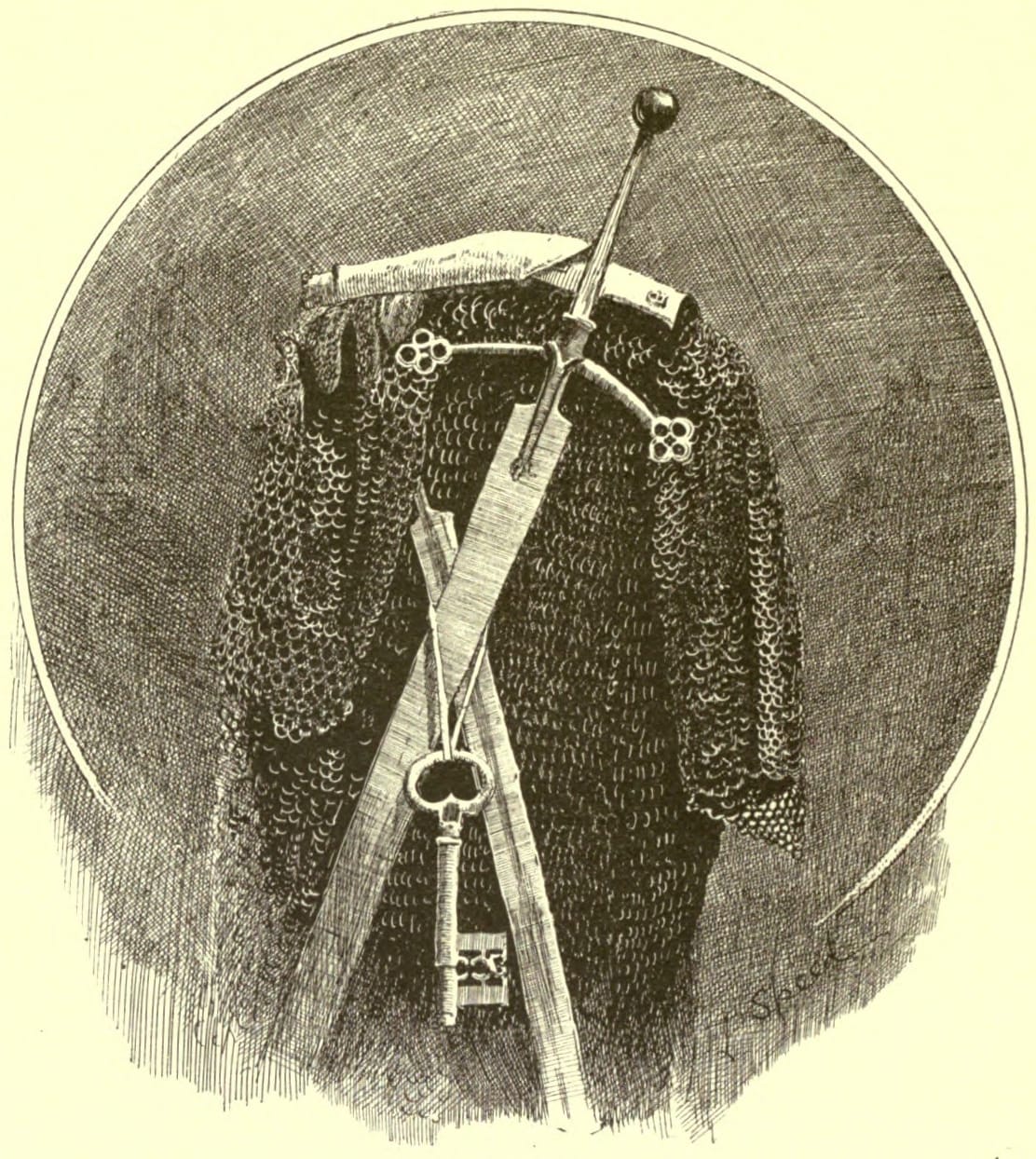
The claymore was staggering in its video-game-like proportions. They would clock in at over 4 feet long, enough to traverse even the widest warrior’s torso. Simply an absolute hog of a weapon. I mean, just look at the engraving above. That is not FromSoft concept art, that’s an engraving of an honest-to-god sword from Dunvegan Castle.
Even after learning about the claymore, I assumed they were ceremonial. Something for a king to rest his weary head on while hearing problems of the realm, not actually haul to the battlefield. After all, real warhammers are depressingly maneuverable, closer to a long-handled claw hammer than the rib-smashing hunks of steel meant to flatten an orc like a foot would an empty White Claw.
So it was to my distinct joy to learn that these were indeed swung around in real combat. While I can’t imagine it was convenient should you need to deploy evasive maneuvers, connecting with one apparently did pretty much what you’d imagine. This account of the battle of Killecrankie from 1689 makes the effects of a giant-ass sword on the human body pretty clear.
Many had their heads divided into two halves by one blow; others had their sculls cut off above the ears by a back-strock, like a night-cap. Their thick buffe-belts were not sufficient to defend their shoulders from such deep gashes as almost disclosed their entrails. Several pikes, small-swords, and the like weapons were cut quite through, and some that wore skull caps had them so beat into their brains that they died upon the spot.
Even with this evidence, the pragmatist in me still wondered if there was some secret technique involved, something to make this sort of thing actually viable in a situation where somebody with a spear is trying to severely poke all parts of you. A way to meld body and blade in a manner that allows for unexpected movement and agility. To find out if there were such techniques in the school of the Claymore, I looked to a resource with an endless supply of sword guys: YouTube. And, rooting through questionable Shorts content featuring men in the worst pants I've ever seen, found the below clip where a claymore expert described the way they were used.
In his words: “It’s a simple hacking sword, great cleaving sword. There’s no finesse involved at all in fighting with it.”
As the meme goes: things that make you say “hell yeah.”